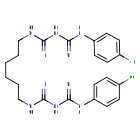
Chlorhexidine is an antiseptic used to sterilize for surgeries and in healthcare practice, to reduce pocket depth in periodontitis, and to treat gingivitis. Chlorhexidine is a broad-spectrum antimicrobial biguanide used as a topical antiseptic and in dental practice for the treatment of inflammatory dental conditions caused by microorganisms.
- Mechanism
- Curator reviewed · 3 references
Chlorhexidine’s broad-spectrum antimicrobial effects are due to its ability to disrupt microbial cell membranes. The positively charged chlorhexidine molecule reacts with negatively charged phosphate groups on microbial cell surfaces - this reaction both destroys the integrity of the cell, allowing leakage of intracellular material, and allows chlorhexidine to enter the cell, causing precipitation of cytoplasmic components and ultimately cell death. The specific means of cell death is dependent on the concentration of chlorhexidine - lower concentrations are bacteriostatic and result in leakage of intracellular substances such as potassium and phosphorous, whereas higher concentrations are bactericidal and cause cytoplasmic precipitation.
- Primary indication
- Chlorhexidine is available over-the-counter in various formulations (e.g. solution, sponge, cloth, swab) as a topical antiseptic to sanitize prior to surgeries and/or medical procedures.Curator reviewed · 147 structured indications
- Formula / weight
- C22H30Cl2N10 · 505.447 g/mol (avg)
- First approval
- Canada, 1996 · United States, 1976
- Brand names
Resolves to
GHXZTYHSJHQHIJ-UHFFFAOYSA-NSMILESClC1=CC=C(NC(=N)NC(=N)NCCCCCCNC(=N)NC(=N)NC2=CC=C(Cl)C=C2)C=C1What you can answer from here — as of September 23, 2026
Which other approved drugs treat the same conditions as Chlorhexidine, and which companies have late-stage candidates in those indications?
Create a free account or log in to explore the full data card.
Create Account