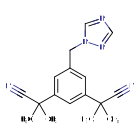
Anastrozole is a competitive, selective, non-steroidal aromatase inhibitor used as adjuvant therapy for the treatment of hormone receptor-positive breast cancer in postmenopausal women. Anastrozole is also related to exemestane, a steroidal AI, but its non-steroidal nature provides stark advantages including a lack of steroid-associated adverse effects such as weight gain and acne.
- Mechanism
- Curator reviewed · 4 references
Anastrazole exerts its anti-estrogenic effects via selective and competitive inhibition of the aromatase enzyme found predominantly in the adrenal glands, liver, and fatty tissues. Many breast cancers are hormone receptor-positive, meaning their growth is stimulated and/or maintained by the presence of hormones such as estrogen or progesterone. In postmenopausal women, estrogen is primarily derived from the conversion of adrenally-produced androgens into estrogens by the aromatase enzyme - by competitively inhibiting the biosynthesis of estrogen at these enzymes, anastrozole effectively suppresses circulating estrogen levels and, subsequently, the growth of hormone receptor-positive tumours.
- Primary indication
- Anastrozole is indicated as adjunct therapy in the treatment of hormone receptor-positive early breast cancer in postmenopausal women, and as a first-line treatment for hormone receptor-positive (or hormone receptor-unknown) locally advanced or metastatic breast cancer...Curator reviewed · 7 structured indications
- Formula / weight
- C17H19N5 · 293.3663 g/mol (avg)
- First approval
- Canada, 2000 · United States, 1996
- Also known as
- Anastrozol · anatrozole
- Code names
- ICI-D1033 · NSC-719344 · ZD-1033
- Brand names
Resolves to
YBBLVLTVTVSKRW-UHFFFAOYSA-NSMILESCC(C)(C#N)C1=CC(=CC(CN2C=NC=N2)=C1)C(C)(C)C#NWhat you can answer from here — as of September 23, 2026
Which drugs share a target with Anastrozole, and which of those have an active Phase 3 trial?
Create a free account or log in to explore the full data card.
Create Account