Ibandronate is a bisphosphonate used to treat osteoporosis in postmenopausal women. Ibandronate, or BM 21.0955, is a third generation, nitrogen containing bisphosphonate similar to zoledronic acid, minodronic acid, and risedronic acid.
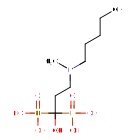
- Mechanism
- Curator reviewed · 10 references
Bisphosphonates are taken into the bone where they bind to hydroxyapatite. Bone resorption by osteoclasts causes local acidification, releasing the bisphosphonate, which is taken into the osteoclast by fluid-phase endocytosis. Endocytic vesicles become acidified, releasing bisphosphonates into the cytosol of osteoclasts where they act.
Osteoclasts mediate resorption of bone. When osteoclasts bind to bone they form podosomes, ring structures of F-actin. Disruption of the podosomes causes osteoclasts to detach from bones, preventing bone resorption.
Nitrogen containing bisphosphonates such as ibandronate are known to induce apoptosis of hematopoietic tumor cells by inhibiting the components of the mevalonate pathway farnesyl diphosphate synthase, farnesyl diphosphate, and geranylgeranyl diphosphate. These components are essential for post-translational prenylation of GTP-binding proteins like Rap1. The lack of prenylation of these proteins interferes with their function, and in the case of Rap1, leads to apoptosis. ibandronate also activated caspase-3 which contribute to apoptosis.
- Primary indication
- For the treatment and prevention of osteoporosis in postmenopausal women.Curator reviewed · 4 structured indications
- Formula / weight
- C9H23NO7P2 · 319.2289 g/mol (avg)
- First approval
- Canada, 1998 · United States, 2005 · European Union, 2016
- Also known as
- Ibandronic acid
- Code names
- R484
- Brand names
Resolves to
MPBVHIBUJCELCL-UHFFFAOYSA-NSMILESCCCCCN(C)CCC(O)(P(O)(O)=O)P(O)(O)=OWhat you can answer from here — as of September 23, 2026
Which drugs share a target with Ibandronate, and which of those have an active Phase 3 trial?
Create a free account or log in to explore the full data card.
Create Account