Terbinafine is an allylamine antifungal used to treat dermatophyte infections of toenails and fingernails as well as other fungal skin infections. It is highly lipophilic in nature and tends to accumulate in skin, nails, and fatty tissues.
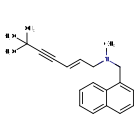
- Mechanism
- Curator reviewed · 6 references
Terbinafine inhibits the enzyme squalene monooxygenase (also called squalene epoxidase), preventing the conversion of squalene to 2,3-oxydosqualene, a step in the synthesis of ergosterol. This inhibition leads to decreased ergosterol, which would normally be incorporated into the cell wall, and accumulation of squalene.
Generation of a large number of squalene containing vesicles in the cytoplasm may leach other lipids away from, and further weaken, the cell wall.
- Primary indication
- Terbinafine hydrochloride is indicated to treat fungal skin and nail infections caused by Trichophyton species, Microsporum canis, Epidermophyton floccosum, and Tinea species.Curator reviewed · 11 structured indications
- Formula / weight
- C21H25N · 291.4299 g/mol (avg)
- First approval
- Canada, 1997 · United States, 1996
- Code names
- SF 86-327 · TDT-067
- Brand names
Resolves to
DOMXUEMWDBAQBQ-WEVVVXLNSA-NSMILESCN(C\C=C\C#CC(C)(C)C)CC1=CC=CC2=CC=CC=C12What you can answer from here — as of September 21, 2026
Which drugs share a target with Terbinafine, and which of those have an active Phase 3 trial?
Create a free account or log in to explore the full data card.
Create Account