Methocarbamol is a CNS depressant indicated with rest, physical therapy and other treatments to control the discomfort associated with various acute musculoskeletal conditions. Methocarbamol was developed in the early 1950s as a treatment for muscle spasticity and the associated pain.
- Mechanism
- Curator reviewed · 4 references
The mechanism of action of methocarbamol is thought to be dependant on its central nervous system depressant activity. This action may be mediated through blocking spinal polysynaptic reflexes, decreasing nerve transmission in spinal and supraspinal polysynaptic pathways, and prolonging the refractory period of muscle cells. Methocarbamol has been found to have no effect on contraction of muscle fibres, motor end plates, or nerve fibres.
- Primary indication
- Methocarbamol tablets and intramuscular injections are indicated in the United States as an adjunct to rest, physical therapy, and other measures for the relief of discomforts associated with acute, painful musculoskeletal conditions.Curator reviewed · 11 structured indications
- Formula / weight
- C11H15NO5 · 241.2405 g/mol (avg)
- First approval
- Canada, 1998 · United States, 1959
- Brand names
Resolves to
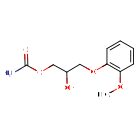
GNXFOGHNGIVQEH-UHFFFAOYSA-NSMILESCOC1=C(OCC(O)COC(N)=O)C=CC=C1What you can answer from here — as of September 23, 2026
Which drugs share a target with Methocarbamol, and which of those have an active Phase 3 trial?
Create a free account or log in to explore the full data card.
Create Account