DB01435ApprovedSmall molecule
Antipyrine is an antipyretic agent used for the symptomatic treatment of acute otitis media, most commonly in combination with benzocaine. An analgesic and antipyretic that has been given by mouth and as ear drops.
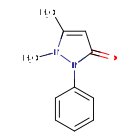
- Mechanism
- Curator reviewed
Antipyrine is thought to act primarily in the CNS, increasing the pain threshold by inhibiting both isoforms of cyclooxygenase, COX-1, COX-2, and COX-3 enzymes involved in prostaglandin (PG) synthesis.
- Primary indication
- Antipyrine is an analgesic often used to test effects of other drugs on liver enzymes.Curator reviewed · 4 structured indications
- Formula / weight
- C11H12N2O · 188.2258 g/mol (avg)
- First approval
- Canada, 2003
- Also known as
- Analgesine · Phenazon · Phenazone
Resolves to
Clinical / RWD
Structure
InChIKey
VEQOALNAAJBPNY-UHFFFAOYSA-NSMILESCN1N(C(=O)C=C1C)C1=CC=CC=C1Targets
Transporters
What you can answer from here — as of September 23, 2026
2Protein targetsEach mapped to UniProt, with action and pharmacological actionListed above
1TransporterSubstrate / inhibitor direction, not just membershipListed above
Which drugs share a target with Antipyrine, and which of those have an active Phase 3 trial?
Create a free account or log in to explore the full data card.
Create Account