Capsaicin is a topical analgesic agent used for the symptomatic relief of neuropathic pain associated with post-herpetic neuralgia, as well as other muscle and joint pain. Capsaicin is most often used as a topical analgesic and exists in many formulations of cream, liquid, and patch preparations of various strengths; however, it may also be found in some dietary supplements.
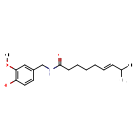
- Mechanism
- Curator reviewed · 1 reference
Capsaicin has been shown to reduce the amount of substance P associated with inflammation - however this is not believed to be its main mechanism in the relief of pain. Capsaicin's mechanism of action is attributed to "defunctionalization" of nociceptor fibers by inducing a topical hypersensitivity reaction on the skin. This alteration in pain mechanisms is due to many of the following: temporary loss of membrane potential, inability to transport neurotrophic factors leading to altered phenotype, and reversible retraction of epidermal and dermal nerve fiber terminals.
- Primary indication
- The capsaicin 8% patch is indicated in the treatment of neuropathic pain associated with post-herpetic neuralgia.Curator reviewed · 17 structured indications
- Formula / weight
- C18H27NO3 · 305.4119 g/mol (avg)
- First approval
- Canada, 1997 · United States, 1996 · European Union, 2016
- Also known as
- Isodecenoic acid vanillylamide
- Code names
- ALGRX-4975 · FEMA NO. 3404 · NGX-1998 · NGX-4010 · NSC-56353
- Brand names
Resolves to
YKPUWZUDDOIDPM-SOFGYWHQSA-NSMILESCOC1=C(O)C=CC(CNC(=O)CCCC\C=C\C(C)C)=C1What you can answer from here — as of September 23, 2026
Which drugs share a target with Capsaicin, and which of those have an active Phase 3 trial?
Create a free account or log in to explore the full data card.
Create Account