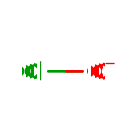
Hypochlorite is an antimicrobial used to treat and prevent infections of the skin and tissue. Hypochlorite is an ion composed of chlorine and oxygen with the chemical formula ClO−.
- Mechanism
- Curator reviewed · 3 references
Sodium hypochlorite mediate its antimicrobial action by reacting with fatty acids and amino acids. Via saponification reaction, it acts as an organic and fat solvent, degrading fatty acids to form fatty acids and glycerol. This reduces the surface tension of the remaining solution. Sodium hypochlorite may react with amino acids to neutralize them and form water and salt. Hypochlorous acids (HOCl-) present in sodium hypochlorite solutions may act as solvents in contact with organic tissue to release chlorine, which forms chloramines when combined with the protein amino group that disrupt cell metabolism. Chlorine in the solution is a strong oxidant that inhibits essential bacterial enzymes leading to an irreversible oxidation of SH groups. Eventually hypochlorous acid and hypochlorite ions degrade and hydrolyze amino acids.
- Primary indication
- Indicated for over-the-counter use as a disinfectant agent in the sodium hypochlorite form.Curator reviewed · 2 structured indications
- Formula / weight
- ClO · 51.452 g/mol (avg)
- First approval
- Canada, 1986
Resolves to
WQYVRQLZKVEZGA-UHFFFAOYSA-NSMILES[O-]ClWhat you can answer from here — as of September 23, 2026
Which drugs share a target with Hypochlorite, and which of those have an active Phase 3 trial?
Create a free account or log in to explore the full data card.
Create Account