Disulfiram is a carbamate derivative used to treat alcohol addiction. It is a relatively nontoxic substance when administered alone, but markedly alters the intermediary metabolism of alcohol.
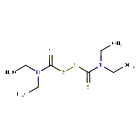
- Mechanism
- Curator reviewed
Disulfiram blocks the oxidation of alcohol at the acetaldehyde stage during alcohol metabolism following disulfiram intake causing an accumulation of acetaldehyde in the blood producing highly unpleasant symptoms. Disulfiram blocks the oxidation of alcohol through its irreversible inactivation of aldehyde dehydrogenase, which acts in the second step of ethanol utilization. In addition, disulfiram competitively binds and inhibits the peripheral benzodiazepine receptor, which may indicate some value in the treatment of the symptoms of alcohol withdrawal, however this activity has not been extensively studied.
- Primary indication
- For the treatment and management of chronic alcoholismCurator reviewed · 1 structured indication
- Formula / weight
- C10H20N2S4 · 296.539 g/mol (avg)
- First approval
- Canada, 1966 · United States, 1983
- Also known as
- Tetraethylthioperoxydicarbonic diamide · Tetraethylthiuram disulfide · Tetraethylthiuram disulphide
- Code names
- Dupon 4472 · Dupont Fungicide 4472 · ORA-102 · USAF B-33
- Brand names
Resolves to
AUZONCFQVSMFAP-UHFFFAOYSA-NSMILESCCN(CC)C(=S)SSC(=S)N(CC)CCWhat you can answer from here — as of September 23, 2026
Which drugs share a target with Disulfiram, and which of those have an active Phase 3 trial?
Create a free account or log in to explore the full data card.
Create Account