Suprofen is an NSAID used to prevent pupil constriction in ocular surgery. An ibuprofen-type anti-inflammatory analgesic and antipyretic.
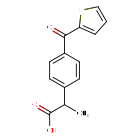
- Mechanism
- Curator reviewed
Suprofen binds to the cyclooxygenase-1 (COX-1) and cyclooxygenase-2 (COX-2) isoenzymes, preventing the synthesis of prostaglandins and reducing the inflammatory response. Cyclooxygenase catalyses the formation of prostaglandins and thromboxane from arachidonic acid (itself derived from the cellular phospholipid bilayer by phospholipase A2). Prostaglandins act (among other things) as messenger molecules in the process of inflammation. The overall result is a reduction in pain and inflammation in the eyes and the prevention of pupil constriction during surgery. Normally trauma to the anterior segment of the eye (especially the iris) increases endogenous prostaglandin synthesis which leads to constriction of the iris sphincter.
- Primary indication
- Used as eye drops to inhibit the miosis (pupil constriction) that may occur during ocular surgery.Curator reviewed · 1 structured indication
- Formula / weight
- C14H12O3S · 260.308 g/mol (avg)
- First approval
- United States, 2007
- Also known as
- Sutoprofen
- Code names
- R 25061 · TN 762
- Brand names
Resolves to
MDKGKXOCJGEUJW-UHFFFAOYSA-NSMILESCC(C(O)=O)C1=CC=C(C=C1)C(=O)C1=CC=CS1What you can answer from here — as of September 23, 2026
Which drugs share a target with Suprofen, and which of those have an active Phase 3 trial?
Create a free account or log in to explore the full data card.
Create Account