Calcium carbimide, sold as the citrate salt, is an alcohol-sensitizing agent. Its effects are similar to the drug disulfiram (Antabuse) in that it interferes with the normal metabolism of alcohol... Calcium carbimide was conceived as an alternative for the treatment of alcoholism with a reduced side effect profile either when it is consumed accompanied by alcohol or without it.
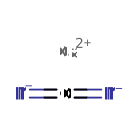
- Mechanism
- Curator reviewed · 2 references
Calcium carbimide is a potent inhibitor of the aldehyde dehydrogenase. Ethanol is normally metabolized to acetaldehyde that is quickly metabolized because this molecule is toxic, thus it has to stay in very low quantities in the body. Carbimide performs its effect by being a competitive inhibitor of the hepatic aldehyde-NAD oxidoreductase dehydrogenase which is the enzyme responsible for the oxidation of acetaldehyde to water and acetate.
- Primary indication
- Calcium carbimide has not been approved by the FDA but the intended indication is for the treatment of alcoholism.Curator reviewed
- Formula / weight
- CCaN2 · 80.103 g/mol (avg)
- First approval
- Canada, 1959
- Also known as
- calcium cyanamide · Lime nitrogen · Lime-nitrogen · Nitrogen lime
Resolves to
MYFXBBAEXORJNB-UHFFFAOYSA-NSMILES[Ca++].[N-]=C=[N-]What you can answer from here — as of September 23, 2026
Which drugs share a target with Calcium carbimide, and which of those have an active Phase 3 trial?
Create a free account or log in to explore the full data card.
Create Account