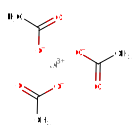
Aluminum acetate is a medication used for temporary relief of skin irritation.
- Mechanism
- Curator reviewed
Aluminum Acetate is an astringent. An astrignent is a chemical that tends to shrink or constrict body tissues, usually locally after topical medicinal application. The shrinkage or constriction is through osmotic flow of water (or other fluids) away from the area where the astringent was applied. Astringent medicines cause shrinkage of mucous membranes or exposed tissues and are often used internally to check discharge of blood serum or mucous secretions. This can happen with a sore throat, hemorrhages, diarrhea, or with peptic ulcers. Externally applied astringents, which cause mild coagulation of skin proteins, dry, harden, and protect the skin. Acne sufferers are often advised to use astringents if they have oily skin. Astringents also help heal stretch marks and other scars. Mild astringent solutions are used in the relief of such minor skin irritations as those resulting from superficial cuts, allergies, insect bites, or fungal infections such as athlete's foot.
- Formula / weight
- C6H9AlO6 · 204.1136 g/mol (avg)
- First approval
- Canada, 2010
Resolves to
WCOATMADISNSBV-UHFFFAOYSA-KSMILES[Al+3].CC([O-])=O.CC([O-])=O.CC([O-])=OWhat you can answer from here — as of January 17, 2025
Which drugs share a target with Aluminum acetate, and which of those have an active Phase 3 trial?
Create a free account or log in to explore the full data card.
Create Account