Diphenhydramine hydrochlorideProduct ingredient for Diphenhydramine
- Name
- Diphenhydramine hydrochloride
- Drug Entry
- Diphenhydramine
Diphenhydramine - perhaps known most commonly as its brand name formulation Benadryl - is a first-generation H1 receptor antihistamine that is used extensively for the treatment of seasonal allergies, insect bites and stings, and rashes 9,10,11,17. However, it also has antiemetic, antitussive, hypnotic, and antiparkinson properties 11,16. As histamine receptors exist both peripherally and in the central nervous system, diphenhydramine has been shown to cause sedation due to its competitive antagonism of histamine H1 receptors within the central nervous system 9,10,11,17,5. While its use in allergy therapy can sometimes fall out of favor due to its sedative effect, diphenhydramine has been repurposed for use within many non-prescription over-the-counter sleep aids and cough-and-cold medications that have been marketed for "night time" use 9,12,13.
Diphenhydramine is also used in combination with 8-chlorotheophylline as the anti-nausea drug Dimenhydrinate where it is utilized primarily for its antagonism of H1 histamine receptors within the vestibular system 4.
Diphenhydramine has also been shown to be implicated in a number of neurotransmitter systems that affect behaviour including dopamine, norepinephrine, serotonin, acetylcholine, and opioid 3. As a result, diphenhydramine is being investigated for its anxiolytic and anti-depressant properties.
- Accession Number
- DBSALT000056
- Structure
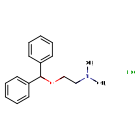
Structure for Diphenhydramine hydrochloride (DBSALT000056)

- Synonyms
- Diphenhydramine HCl / Diphenhydramine hydrochloride