Metoclopramide is an antiemetic agent and dopamine D2 antagonist used in the treatment of gastroesophageal reflux disease, prevention of nausea and vomiting, and to stimulate gastric emptying. Diabetic gastroparesis is a condition that causes frequent nausea and vomiting, which has a negative impact on quality of life and poses a significant burden on the healthcare system.
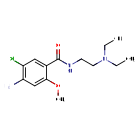
- Mechanism
- Curator reviewed · 5 references
Metoclopramide causes antiemetic effects by inhibiting dopamine D2 and serotonin 5-HT3 receptors in the chemoreceptor trigger zone (CTZ) located in the area postrema of the brain. Administration of this drug leads to prokinetic effects via inhibitory actions on presynaptic and postsynaptic D2 receptors, agonism of serotonin 5-HT4 receptors, and antagonism of muscarinic receptor inhibition. This action enhances the release of acetylcholine, causing increased lower esophageal sphincter (LES) and gastric tone, accelerating gastric emptying and transit through the gut. Metoclopramide antagonizes the dopamine D2 receptors. Dopamine exerts relaxant effect on the gastrointestinal tract through binding to muscular D2 receptors.
- Primary indication
- Metoclopramide in the oral tablet form is used for symptomatic treatment of both acute and recurrent diabetic gastroparesis, in addition to the treatment of gastroesophageal reflux disease (GERD) in patients who have failed to respond...Curator reviewed · 21 structured indications
- Formula / weight
- C14H22ClN3O2 · 299.796 g/mol (avg)
- First approval
- Canada, 2005 · United States, 1985
- Code names
- DEL 1267
- Brand names
Resolves to
TTWJBBZEZQICBI-UHFFFAOYSA-NSMILESCCN(CC)CCNC(=O)C1=CC(Cl)=C(N)C=C1OCWhat you can answer from here — as of September 23, 2026
Which drugs share a target with Metoclopramide, and which of those have an active Phase 3 trial?
Create a free account or log in to explore the full data card.
Create Account