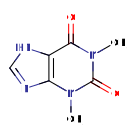
Theophylline is a xanthine used to manage the symptoms of asthma, COPD, and other lung conditions caused by reversible airflow obstruction. A methylxanthine derivative from tea with diuretic, smooth muscle relaxant, bronchial dilation, cardiac and central nervous system stimulant activities.
- Mechanism
- Curator reviewed
Theophylline relaxes the smooth muscle of the bronchial airways and pulmonary blood vessels and reduces airway responsiveness to histamine, methacholine, adenosine, and allergen. Theophylline competitively inhibits type III and type IV phosphodiesterase (PDE), the enzyme responsible for breaking down cyclic AMP in smooth muscle cells, possibly resulting in bronchodilation. Theophylline also binds to the adenosine A2B receptor and blocks adenosine mediated bronchoconstriction. In inflammatory states, theophylline activates histone deacetylase to prevent transcription of inflammatory genes that require the acetylation of histones for transcription to begin.
- Primary indication
- For the treatment of the symptoms and reversible airflow obstruction associated with chronic asthma and other chronic lung diseases, such as emphysema and chronic bronchitis.Curator reviewed · 14 structured indications
- Formula / weight
- C7H8N4O2 · 180.164 g/mol (avg)
- First approval
- Canada, 1998 · United States, 1979
- Also known as
- Theophyllin
- Code names
- Theo-24
- Brand names
Resolves to
ZFXYFBGIUFBOJW-UHFFFAOYSA-NSMILESCN1C2=C(NC=N2)C(=O)N(C)C1=OWhat you can answer from here — as of September 23, 2026
Which drugs share a target with Theophylline, and which of those have an active Phase 3 trial?
Create a free account or log in to explore the full data card.
Create Account