A biguanide hypoglycemic agent with actions and uses similar to those of metformin. Although it is generally considered to be associated with an unacceptably high incidence of lactic acidosis, often... (From Martindale, The Extra Pharmacopoeia, 30th ed, p290).
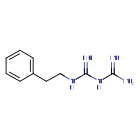
- Mechanism
- Curator reviewed
Phenformin binds to the AMP-activated protein kinase (AMPK). AMPK is an ultra-sensitive cellular energy sensor that monitors energy consumption and down-regulates ATP-consuming processes when activated. The biguanide phenformin has been shown to independently decrease ion transport processes, influence cellular metabolism and activate AMPK. Phenformin's hypoglycemic activity is related the effect it has in activating AMPK and fooling insulin sensitive cells into thinking that insulin levels are low and causing the body to use glucose as if in a state of low caloric consumption. This drug also seems to inhibit several varients of ATP-sensitive potassium channels (namely the receptor subtype Kir6.1).
- Primary indication
- For the reatment of type II diabetes mellitus.Curator reviewed
- Formula / weight
- C10H15N5 · 205.2596 g/mol (avg)
- Also known as
- Fenformin
- Code names
- W 32
Resolves to
ICFJFFQQTFMIBG-UHFFFAOYSA-NSMILESNC(=N)NC(=N)NCCC1=CC=CC=C1What you can answer from here — as of September 23, 2026
Which drugs share a target with Phenformin, and which of those have an active Phase 3 trial?
Create a free account or log in to explore the full data card.
Create Account