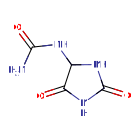
Allantoin is an ingredient used in skin care products to relieve irritation and protect minor cuts, scrapes, and burns. Allantoin is a substance that is endogenous to the human body and also found as a normal component of human diets.
- Mechanism
- Curator reviewed · 2 references
There is no well controlled data that can formally substantiate the method of action. However, ongoing studies suggest that there may exist a histological wound healing profile induced by allantoin in rats that leads to the amelioration and fastening of the reestablishment of normal skin. This facilitation of wound healing is supported by observations that wounds inflicted to rat subjects to which topical allantoin preparations were applied histologically demonstrated increased vasodilation, presence of inflammatory exudates, number of inflammatory cells, angiogenesis, fibroblast proliferation, and increased collagen deposition when compared to rat subjects with wounds that did not receive any allantoin administration.
- Primary indication
- Allantoin is commonly applied in a variety of topical vehicles or applications such as cosmetic creams, toothpastes, mouthwashes, shampoos, lipsticks, anti-acne products, and lotions for the purpose of moisturizing skin, enhancing the smoothness of skin,...Curator reviewed · 5 structured indications
- Formula / weight
- C4H6N4O3 · 158.1154 g/mol (avg)
- First approval
- Canada, 1997
- Also known as
- 5-Ureidohydantoin · Glyoxyldiureide
- Code names
- SD-101
- Brand names
Resolves to
POJWUDADGALRAB-UHFFFAOYSA-NSMILESNC(=O)NC1NC(=O)NC1=OWhat you can answer from here — as of October 20, 2026
Which drugs share a target with Allantoin, and which of those have an active Phase 3 trial?
Create a free account or log in to explore the full data card.
Create Account