Glucosamine is a common ingredient in nutritional supplements used for the relief of joint pain. Osteoarthritis (OA) is a progressive and degenerative joint disease marked by loss of cartilage, bone changes, and synovial membrane inflammation.
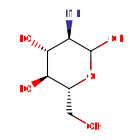
- Mechanism
- Curator reviewed · 7 references
The mechanism of action of glucosamine in joint health is unclear, however there are several possible mechanisms that contribute to its therapeutic effects. Because glucosamine is a precursor for glycosaminoglycans, and glycosaminoglycans are a major component of joint cartilage, glucosamine supplements may help to rebuild cartilage and treat the symptoms of arthritis. Some in vitro studies show evidence that glucosamine reduces inflammation via inhibition of interferon gamma and Nuclear factor kappa B subunit 65 (NF-κB p65), improving the symptoms of arthritis and joint pain. Clinical relevance is unknown at this time.
- Primary indication
- Glucosamine is generally used over the counter in the symptomatic treatment of osteoarthritis and joint pain, frequently combined with chondroitin sulfate and/or ibuprofen.Curator reviewed · 6 structured indications
- Formula / weight
- C6H13NO5 · 179.1711 g/mol (avg)
- Also known as
- Chitosamine · D-Glucosamine
Resolves to
MSWZFWKMSRAUBD-IVMDWMLBSA-NSMILESN[C@H]1C(O)O[C@H](CO)[C@@H](O)[C@@H]1OWhat you can answer from here — as of September 23, 2026
Which drugs share a target with Glucosamine, and which of those have an active Phase 3 trial?
Create a free account or log in to explore the full data card.
Create Account