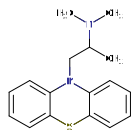
Promethazine is a first-generation antihistamine used for the treatment of allergic conditions, nausea and vomiting, and motion sickness. Promethazine, originally known as 3,277 R.P., is an N-dimethylaminopropyl derivative of phenothiazine that was developed in France in 1946.
- Mechanism
- Curator reviewed · 6 references
Promethazine is a an antagonist of histamine H1, post-synaptic mesolimbic dopamine, alpha adrenergic, muscarinic, and NMDA receptors. The antihistamine action is used to treat allergic reactions. Antagonism of muscarinic and NMDA receptors contribute to its use as a sleep aid, as well as for anxiety and tension. Antagonism of histamine H1, muscarinic, and dopamine receptors in the medullary vomiting center make promethazine useful in the treatment of nausea and vomiting.
- Primary indication
- Promethazine tablets and suppositories are indicated to treat rhinitis, allergic conjunctivitis, allergic reactions to blood or plasma, dermographism, anaphylactic reactions, sedation, nausea, vomiting, pain, motion sickness, and allergic skin reactions.Curator reviewed · 21 structured indications
- Formula / weight
- C17H20N2S · 284.419 g/mol (avg)
- First approval
- Canada, 2000 · United States, 1951
- Also known as
- Proazamine
- Code names
- Lilly 1516
- Brand names
Resolves to
PWWVAXIEGOYWEE-UHFFFAOYSA-NSMILESCC(CN1C2=CC=CC=C2SC2=CC=CC=C12)N(C)CWhat you can answer from here — as of September 23, 2026
Which drugs share a target with Promethazine, and which of those have an active Phase 3 trial?
Create a free account or log in to explore the full data card.
Create Account