Misoprostol is a prostaglandin E1 analogue used to reduce the risk of NSAID-induced gastric ulcers and to terminate pregnancies. The stimulation of prostaglandin receptors in the stomach reduces gastric acid secretion, while stimulating these receptors in the uterus and cervix can increase the strength and frequency of contractions and decrease cervical tone.
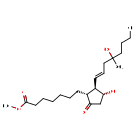
- Mechanism
- Curator reviewed · 3 references
Misoprostol is a synthetic prostaglandin E1 analog that stimulates prostaglandin E1 receptors on parietal cells in the stomach to reduce gastric acid secretion. Mucus and bicarbonate secretion are also increased along with thickening of the mucosal bilayer so the mucosa can generate new cells.
Misoprostol binds to smooth muscle cells in the uterine lining to increase the strength and frequency of contractions as well as degrade collagen and reduce cervical tone.
- Primary indication
- Misoprostol is indicated as a tablet to reduce the risk of NSAID induced gastric ulcers but not duodenal ulcers in high risk patients.Curator reviewed · 8 structured indications
- Formula / weight
- C22H38O5 · 382.5341 g/mol (avg)
- First approval
- Canada, 1999 · United States, 1986
- Brand names
Resolves to
OJLOPKGSLYJEMD-URPKTTJQSA-NSMILESCCCCC(C)(O)C\C=C\[C@H]1[C@H](O)CC(=O)[C@@H]1CCCCCCC(=O)OCWhat you can answer from here — as of August 31, 2026
Which drugs share a target with Misoprostol, and which of those have an active Phase 3 trial?
Create a free account or log in to explore the full data card.
Create Account