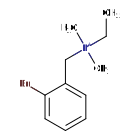
Bretylium is a norepinephrine release inhibitor used for the prophylaxis and therapy of ventricular fibrillation, as well as the treatment of life-threatening ventricular arrhythmias. Bretylium blocks the release of noradrenaline from the peripheral sympathetic nervous system, and is used in emergency medicine, cardiology, and other specialties for the acute management of ventricular tachycardia and ventricular fibrillation.
- Mechanism
- Curator reviewed
Bretylium inhibits norepinephrine release by depressing adrenergic nerve terminal excitability. The mechanisms of the antifibrillatory and antiarrhythmic actions of bretylium are not established. In efforts to define these mechanisms, the following electrophysiologic actions of bretylium have been demonstrated in animal experiments: increase in ventricular fibrillation threshold, increase in action potential duration and effective refractory period without changes in heart rate, little effect on the rate of rise or amplitude of the cardiac action potential (Phase 0) or in resting membrane potential (Phase 4) in normal myocardium, decrease in the disparity in action potential duration between normal and infarcted regions, and increase in impulse formation and spontaneous firing rate of pacemaker tissue as well as increase ventricular conduction velocity.
- Primary indication
- For use in the prophylaxis and therapy of ventricular fibrillation.Curator reviewed · 2 structured indications
- Formula / weight
- C11H17BrN · 243.163 g/mol (avg)
- First approval
- Canada, 2007 · United States, 2019
Resolves to
AAQOQKQBGPPFNS-UHFFFAOYSA-NSMILESCC[N+](C)(C)CC1=CC=CC=C1BrWhat you can answer from here — as of October 22, 2026
Which drugs share a target with Bretylium, and which of those have an active Phase 3 trial?
Create a free account or log in to explore the full data card.
Create Account