Methantheline is a synthetic antispasmodic. Antispasmodics are used to relieve cramps or spasms of the stomach, intestines, and bladder. Methantheline is used to treat intestine or stomach ulcers (peptic ulcer...
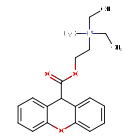
- Mechanism
- Curator reviewed
Methantheline inhibits the muscarinic actions of acetylcholine on structures innervated by postganglionic cholinergic nerves as well as on smooth muscles that respond to acetylcholine but lack cholinergic innervation. These postganglionic receptor sites are present in the autonomic effector cells of the smooth muscle, cardiac muscle, sinoatrial and atrioventricular nodes, and exocrine glands. Depending on the dose, anticholinergics may reduce the motility and secretory activity of the gastrointestinal system, and the tone of the ureter and urinary bladder and may have a slight relaxant action on the bile ducts and gallbladder.
- Primary indication
- For the treatment of peptic ulcer disease, irritable bowel syndrome, pancreatitis, gastritis, biliary dyskinesia, pylorosplasm, and reflex neurogenic bladder in children.Curator reviewed
- Formula / weight
- C21H26NO3 · 340.436 g/mol (avg)
- Also known as
- Methantheline ion · Methanthelinium · Methanthelinum
- Code names
- MTB 51
Resolves to
GZHFODJQISUKAY-UHFFFAOYSA-NSMILESCC[N+](C)(CC)CCOC(=O)C1C2=CC=CC=C2OC2=CC=CC=C12What you can answer from here — as of September 23, 2026
Which drugs share a target with Methantheline, and which of those have an active Phase 3 trial?
Create a free account or log in to explore the full data card.
Create Account