Cysteamine is a cystine depleting agent used to treat the effects of cystinosis. Cystinosis is a rare disease caused by mutations in the CTNS gene that encodes for cystinosin, a protein responsible for transporting cystine out of the cell lysosome.
- Mechanism
- Curator reviewed · 3 references
Individuals born without the ability to metabolize cystine suffer from cystinosis, a rare genetic disorder characterized by the widespread accumulation of cystine crystals throughout the body and eye tissues. The cystine crystals may cause considerable damage, particularly in the renal tissues and corneal tissues. In some cases, renal failure can occur during childhood if the condition is left untreated. Other organs that may be affected by cystinosis include the CNS, thyroid, pancreas, muscle tissues, and gonads.
Cysteamine converts cystine to cysteine and cysteine-cysteamine mixed disulfides, reducing the buildup of corneal cystine crystals. This drug participates in a thiol-disulfide interchange reaction with lysosomes, leading to cysteine exit from the lysosome in patients diagnosed with cystinosis.
- Primary indication
- The bitartrate salt of cysteamine is used for the oral treatment of nephropathic cystinosis and cystinuria in adults and in children aged ≥6 years.Curator reviewed · 3 structured indications
- Formula / weight
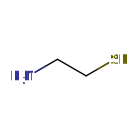
- C2H7NS · 77.149 g/mol (avg)
- First approval
- Canada, 2019 · United States, 2005 · European Union, 2016
- Also known as
- Mercaptamine · Thioethanolamine
- Code names
- L-1573
- Brand names
Resolves to
UFULAYFCSOUIOV-UHFFFAOYSA-NSMILESNCCSWhat you can answer from here — as of September 23, 2026
Which drugs share a target with Cysteamine, and which of those have an active Phase 3 trial?
Create a free account or log in to explore the full data card.
Create Account