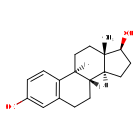
Estradiol is an estrogenic steroid used to treat vasomotor symptoms of vulvar and vaginal atrophy in menopause, hypoestrogenism, prevention of postmenopausal osteoporosis, treatment of breast cancer, and advanced androgen-dependent carcinoma of the prostate. Estradiol is a naturally occurring hormone circulating endogenously in females.
- Mechanism
- Curator reviewed · 5 references
Estrogen is found in the the breast, uterine, ovarian, skin, prostate, bone, fat, and brain tissues. The main source of estrogen in adult women during the reproductive period of life is the ovarian follicle, which secretes 70 to 500 mcg of estradiol each day. After menopause, however, the majority of endogenous estrogen is produced by transformation of androstenedione (which is secreted by the adrenal cortex) to estrone in the peripheral tissues. Both estrone and its sulphate conjugated form, estrone sulphate, represent the most abundant estrogens found in postmenopausal women.
Estradiol, however, is considerably more potent than estrone and estriol at the estrogen receptor (ER). As a result, the higher estrone concentration in postmenopausal population, can cause various undesirable effects. These effects may include hot flashes, chills, vaginal dryness, mood swings, irregular menstruation, and chills, in addition to sleep problems.
Estradiol workings by binding to subtypes of the estrogen receptor: estrogen receptor alpha (ERα) and estrogen receptor beta (ERβ). It also exerts potent agonism of G Protein-coupled estrogen receptor (GPER), which is recognized an important regulator of this drug's rapid effects. Once the estrogen receptor has bound to its ligand, it enters the nucleus of the target cell, regulating gene transcription and formation of of messenger RNA. This mRNA makes contact with ribosomes producing specific proteins that express the effect of estradiol upon the target cell. Agonism of estrogen receptors increases pro-estrogenic effects, leading to the relief of vasomotor and urogenital symptoms of a postmenopausal or low estradiol state.
- Primary indication
- Estradiol is indicated in various preparations for the treatment of moderate to severe vasomotor symptoms and vulvar and vaginal atrophy due to menopause, for the treatment of hypoestrogenism due to hypogonadism, castration, or primary ovarian...Curator reviewed · 31 structured indications
- Formula / weight
- C18H24O2 · 272.382 g/mol (avg)
- First approval
- Canada, 1997 · United States, 1986 · European Union, 2016
- Also known as
- 17 Beta-Estradiol · 17-β estradiol · 17beta oestradiol · 17Beta-estradiol · 17β estradiol
- Code names
- E3A · NSC 17590 · NSC-20293 · NSC-9895 · SQ 16150 · WC-3011
- Brand names
Resolves to
VOXZDWNPVJITMN-ZBRFXRBCSA-NSMILES[H][C@@]12CC[C@H](O)[C@@]1(C)CC[C@]1([H])C3=C(CC[C@@]21[H])C=C(O)C=C3What you can answer from here — as of September 23, 2026
Which drugs share a target with Estradiol, and which of those have an active Phase 3 trial?
Create a free account or log in to explore the full data card.
Create Account