Calcium acetate is a phosphate binder used in patients with end-stage renal disease (ESRD) to prevent elevated phosphate levels and resulting ectopic calcification and secondary hyperparathyroidism. The chemical compound calcium acetate is the calcium salt of acetic acid.
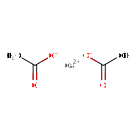
- Mechanism
- Curator reviewed
Calcium acetate and other calcium salts are phosphate binders. They work by binding with the phosphate in the food you eat, so that it is eliminated from the body without being absorbed.
- Primary indication
- Calcium acetate is one of a number of calcium salts used to treat hyperphosphatemia (too much phosphate in the blood) in patients with kidney disease.Curator reviewed · 4 structured indications
- Formula / weight
- C4H6CaO4 · 158.166 g/mol (avg)
- First approval
- Canada, 1998 · United States, 1982
- Also known as
- Acetate of lime · Brown acetate of lime · calcium ethanoate · Gray acetate of lime · Lime acetate
- Code names
- E-263 · FEMA NO. 2228 · INS-263 · INS NO.263
- Brand names
Resolves to
Structure
InChIKey
VSGNNIFQASZAOI-UHFFFAOYSA-LSMILES[Ca++].CC([O-])=O.CC([O-])=OWhat you can answer from here — as of October 21, 2026
1Protein targetEach mapped to UniProt, with action and pharmacological actionListed above
Which other approved drugs treat the same conditions as Calcium acetate, and which companies have late-stage candidates in those indications?
Create a free account or log in to explore the full data card.
Create Account