Magnesium oxide is a compound commonly used as a laxative for the symptomatic relief of acid indigestion and upset stomach, and in health supplements for cardiovascular and neuromuscular health. Magnesium oxide is an inorganic compound that occurs in nature as the mineral periclase.
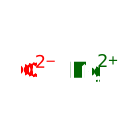
- Mechanism
- Curator reviewed
The term "Milk of Magnesia" was first used to describe a white aqueous, mildly alkaline suspension of magnesium hydroxide formulated at about 8%w/v. Milk of magnesia is primarily used to alleviate constipation, but can also be used to relieve indigestion and heartburn. When taken internally by mouth as a laxative, the osmotic force of the magnesia suspension acts to draw fluids from the body and to retain those already within the lumen of the intestine, serving to distend the bowel, thus stimulating nerves within the colon wall, inducing peristalsis and resulting in evacuation of colonic contents. Magnesium supplements have also been shown to reduce platelet aggregation by inhibiting in the influx of calcium, a crucial component of platelet aggregation.
- Primary indication
- Indicated for over-the-counter use as a supplement for cardiovascular and neuromuscular health, and as an antacid for relief of acid indigestion and upset stomach.Curator reviewed · 5 structured indications
- Formula / weight
- MgO · 40.304 g/mol (avg)
- First approval
- Canada, 1996 · United States, 2012
- Also known as
- Magnesia · Magnesiumoxide
- Code names
- E-530 · INS-530 · INS NO.530
- Brand names
Resolves to
AXZKOIWUVFPNLO-UHFFFAOYSA-NSMILES[O--].[Mg++]What you can answer from here — as of August 31, 2026
Which drugs share a target with Magnesium oxide, and which of those have an active Phase 3 trial?
Create a free account or log in to explore the full data card.
Create Account