Niacin is a B vitamin used to treat hypertriglyceridemia and pellagra.
- Mechanism
- Curator reviewed · 6 references
Niacin performs a number of functions in the body and so has many mechanisms, not all of which have been fully described. Niacin can decrease lipids and apolipoprotein B (apo B)-containing lipoproteins by modulating triglyceride synthesis in the liver, which degrades apo B, or by modulating lipolysis in adipose tissue.
Niacin inhibits hepatocyte diacylglycerol acyltransferase-2. This action prevents the final step of triglyceride synthesis in hepatocytes, limiting available triglycerides for very low density lipoproteins (VLDL). This activity also leads to intracellular degradation of apo B and decreased production of low density lipoproteins, the catabolic product of VLDL.
Niacin also inhibits a high density lipoprotein (HDL) catabolism receptor, which increases the levels and half life of HDL.
- Primary indication
- Niacin is indicated to prevent vitamin deficiencies in pediatric and adult patients receiving parenteral nutrition as part of multivitamin intravenous injections.Curator reviewed · 11 structured indications
- Formula / weight
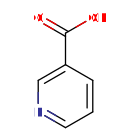
- C6H5NO2 · 123.1094 g/mol (avg)
- First approval
- Canada, 1996 · United States, 1997
- Also known as
- 3-carboxypyridine · 3-Pyridinecarboxylic acid · 3-Pyridylcarboxylic acid · anti-pellagra vitamin · m-pyridinecarboxylic acid
- Code names
- NSC-169454
- Brand names
Resolves to
PVNIIMVLHYAWGP-UHFFFAOYSA-NSMILESOC(=O)C1=CN=CC=C1What you can answer from here — as of September 23, 2026
Which drugs share a target with Niacin, and which of those have an active Phase 3 trial?
Create a free account or log in to explore the full data card.
Create Account